Bhagwant Mann Govt Busts Myths About Drugs in Schools Under Yudh Nashean Virudh
*Punjab Govt Partners With CEGA Berkeley, Nobel Laureate Abhijit Banerjee & Esther Duflo’s J-PAL On Evidence-Based Drug Prevention Curriculum*
*Yudh Nashean Virudh Curriculum Tackles Drug Myths, Addiction Risks And Peer Pressure Among Punjab’s Students*
*Yudh Nashean Virudh Aims To Break Drug Myths Before Experimentation Turns Into Addiction: Dr Balbir Singh*
*Science-Backed Curriculum Helps Students Say No To Drugs: Amandeep Kaur, Nodal Teacher for curriculum at SoE, Chheharta, Amritsar*
CHANDIGARH, September 13 (WISHAVWARTA):- “I’ll try it only once.” “I can stop whenever I want.” Or the idea that even if one uses drugs for a long time, “rehab treatment is easy.” For a youngster standing at the edge of experimentation, these may sound like harmless thoughts. But these beliefs are not just alarming—they can be dangerous.
The Bhagwant Mann Government, through the School Nashean Virudh curriculum, is working to prevent substance abuse among youth by challenging and dismantling such beliefs. This evidence-based curriculum, developed in collaboration with CEGA, University of California, Berkeley, and J-PAL, a research organisation co-founded by Nobel Prize laureates Abhijit Banerjee and Esther Duflo, addresses how young people may underestimate the addictive nature of opioids, increasing their likelihood of experimentation and, consequently, addiction. The curriculum highlights that the battle against drug abuse has to begin much before addiction, by busting the myths that can make drug use appear less dangerous than it actually is.
The curriculum identifies several key misconceptions that need to be addressed among youngsters.
The first, and perhaps the most dangerous, is the belief that trying chitta or heroin once or a few times will not lead to addiction. In fact, heroin is highly addictive, and even a single use can carry a risk of addiction.
The second myth is that a person who has just started using drugs can stop whenever he or she wants. The fact is that addiction is not simply a question of self-control. Once dependence develops, stopping can become extremely difficult.
The third misconception is that going to rehab necessarily means that a person will be permanently cured. Recovery can be a long-term process, and relapse can occur. The message, therefore, is not that treatment is futile, but that recovery requires sustained effort and support rather than being viewed as a one-time event. Prevention, therefore, remains better than cure.
Another belief the campaign wants youngsters to reconsider is that so-called “milder” substances are relatively harmless and have nothing to do with drug addiction. The curriculum specifically flags tobacco, alcohol, opium, pills and prescription drugs as substances that can lead to experimentation, often without users fully understanding the risks or how difficult it can be to stop.
The fifth myth is perhaps less obvious: that people who eventually become addicted must have intended from the beginning to become regular drug users. The campaign stresses that drug abuse can begin as temporary experimentation, often in the presence of peer pressure, personal crisis, mental health challenges or performance pressures.
The sixth misconception is that drug abuse mainly harms the person using drugs. The school curriculum takes a broader view: addiction can have physical, medical, financial and social consequences, affecting relationships and families.
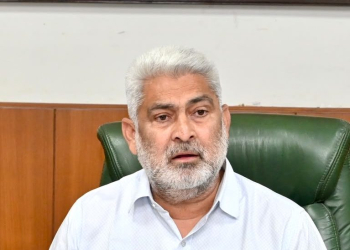
Punjab Health and Family Welfare Minister Dr Balbir Singh said, “At its core, the Yudh Nashean Virudh campaign is seeking to change the conversation around drug abuse—from one that begins only after addiction has taken hold to one that begins when a youngster first hears: ‘Try it once; nothing will happen.’ The objective is fairly simple: break the myth before the myth becomes a habit, and stop experimentation before it becomes dependence.”
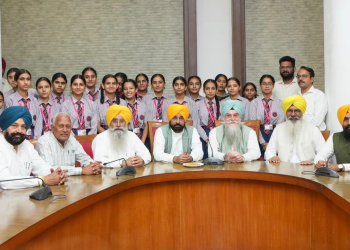
Ms Amandeep Kaur, Nodal Teacher for the curriculum at the School of Eminence, Chheharta, Amritsar, said that the curriculum has benefited students in two important ways. “First, it has given them the vocabulary and a science-backed understanding of addiction, helping them understand what addictive substances do to the brain and body rather than viewing addiction only as a matter of ‘willpower’ or personal choice. Second, the curriculum has equipped students with practical strategies to say ‘no’ when faced with peer pressure or an offer to try drugs, making them more confident about responding to such situations in real life,” she said.