

Rajkot civic body uses drones, AI to identify 4,731 potential mosquito breeding sites
Rajkot, Sep 25 (IANS/WISHAVWARTA) The Rajkot Municipal Corporation (RMC) has identified 4,731 potential mosquito breeding sites across 59.39 sq km through drone-based surveys and AI-assisted surveillance as part of efforts to control dengue, malaria and chikungunya in the city.
Of the identified sites, 1,340 have so far been covered by field staff for insecticide spraying and source-reduction measures, while drones have carried out spraying of insecticide for a total of 40 hours and nine minutes, according to the civic body’s data released on Friday.
The survey is being conducted in high-risk wards, including Wards 11, 18, 3, 4 and 13. The areas surveyed so far account for 59.39 sq km of the civic body’s total 161.85 sq km area.
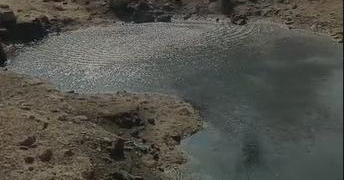
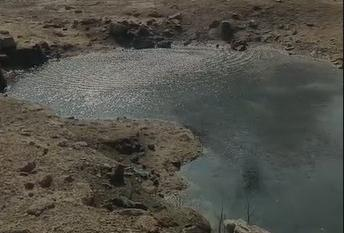
The drone operations cover drains, waterlogged areas, small and large pits and depressions in riverbed areas, as well as other locations that could serve as mosquito breeding sites.
The civic body said the technology is being used particularly at places where conventional insecticide spraying is difficult or poses a risk.
Information gathered through the drone surveys is being passed to health workers of the respective wards and urban health centres, who verify the locations and carry out insecticide spraying and source-reduction work where required.
Alongside the drone-based operation, the civic body’s conventional vector-control measures continued between September 17 and 23.
Field workers, Urban ASHAs and MPHWs carried out larvicidal activities at 1,50,172 houses, while fogging was conducted at 933 houses.
Vehicle-mounted fogging machines were deployed in areas with higher mosquito density, with sensitive societies, public roads, and locations where large numbers of people gather also covered by the fogging operation.
The health department also inspected 409 non-residential premises for mosquito breeding, including construction sites, schools, hospitals, hotels, industrial units, hostels, complexes, scrap yards, cellars, halls, wadis, party plots, religious places, petrol pumps and government offices.
Notices were issued to 312 persons in residential areas and 92 in commercial areas over mosquito breeding sites, with action including recovery of administrative charges under the applicable bylaws.
The civic body said dengue prevention measures include inspections of residential houses, shops, apartments, commercial complexes, industrial units and other establishments, particularly for containers holding water that can become breeding sites for Aedes mosquitoes.
Separately, the municipal health department carried out surveillance for water-borne diseases through field staff attached to urban primary health centres.
Between September 17 and 23, around 3,04,556 people were covered in the survey. During the exercise, 6,559 chlorine tablets and 743 ORS packets were distributed, while 3,484 R.C. tests were conducted.
The civic body has urged residents to prevent water from accumulating in and around their homes, cooperate with health teams in eliminating mosquito breeding sites, maintain drinking-water hygiene, and consume water after boiling or proper purification.
It has also appealed to residents to cooperate with health department teams during drone-based surveys of mosquito breeding sites.
–