

US lawmakers slam Meta’s election safeguards
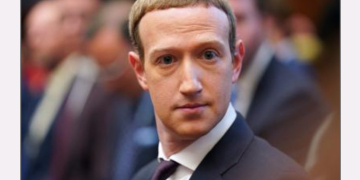
Washington, Aug 18 (IANS/WISHAVWARTA) A group of 19 US lawmakers has slammed Meta’s election safeguards as inadequate, warning that its rollback of fact-checking and growing reliance on artificial intelligence could leave American voters exposed to deepfakes and political disinformation ahead of the 2026 elections.
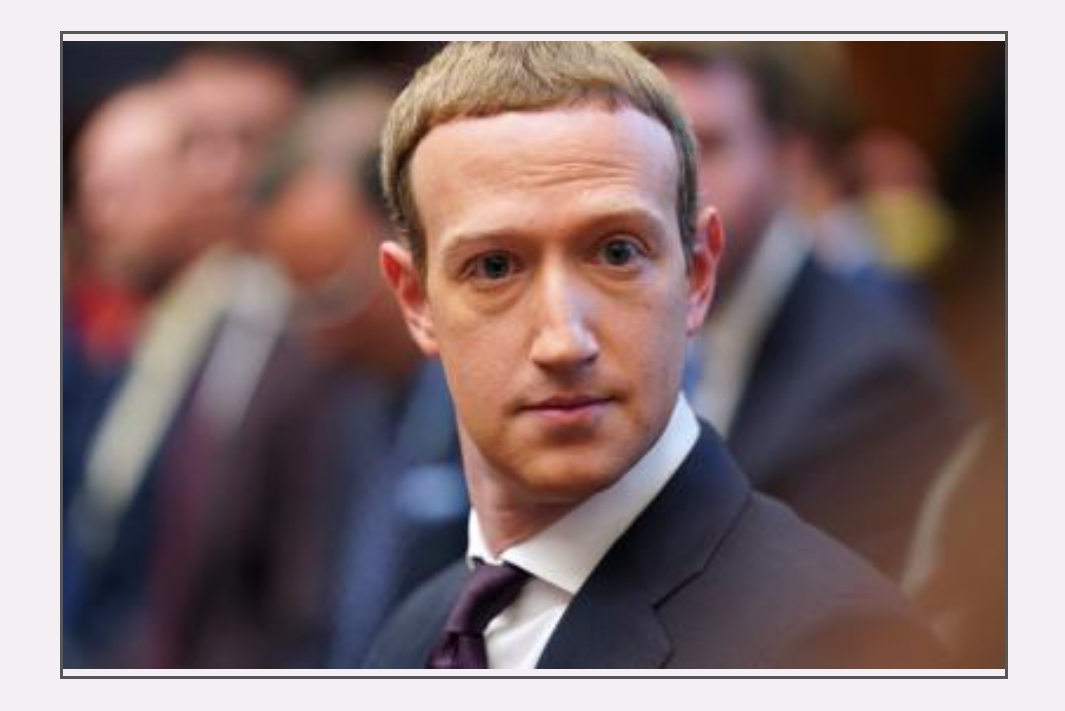
Democratic Congressman Kevin Mullin led the lawmakers in demanding answers from Meta chief executive Mark Zuckerberg. They questioned whether the company was prepared to counter rapidly changing threats across Facebook, Instagram, Threads and WhatsApp.
“Generative AI has made it easier than ever to create convincing deepfakes and other deceptive content, and we’re already seeing these tactics used to influence America’s elections,” Mullin said.
“Meta, headquartered in my district, has rolled back key safeguards over the last few years designed to prevent the spread of misinformation, and this raises serious questions about whether it is prepared to meet today’s rapidly evolving threats,” he said.
The lawmakers cited Meta’s decision to discontinue its third-party fact-checking programme in the United States. The programme worked with more than 90 independent organisations to review potentially false content.
Meta replaced it with Community Notes, which allows participating users to add context to posts. The lawmakers said the change had shifted the burden of verifying information to users who may lack the time, resources or expertise to do so.
“We believe that Meta’s approach to the 2026 election cycle is inadequate to address the threats now facing American elections – particularly given Meta’s rollback of fact-checking, the automation of risk review, and the proliferation of AI generated content on Meta’s platforms,” they wrote.
The letter pointed to “Emily Hart”, a fake conservative MAGA influencer reportedly created by a 22-year-old medical student in India using AI tools.
The synthetic persona promoted anti-abortion and anti-immigration views. It gained millions of views and thousands of subscribers before Instagram removed the account for fraudulent activity.
The lawmakers also cited deepfake incidents in Senate contests in Texas and Georgia. These included an advertisement showing a fabricated, life-like video of Texas Senate candidate James Talarico appearing to speak directly to the camera.
They asked Zuckerberg to compare Meta’s US election-integrity staffing and budgets for 2020, 2024 and 2026. They also sought details about policies covering deepfake videos, synthetic audio and accounts impersonating political figures.
Other questions focused on whether paid political influencers must disclose their compensation and who funded the content. The lawmakers also asked whether advertisers must identify misleading AI-generated images or audio in political advertisements.
They sought information on dedicated reporting channels for state and local election officials, the time taken to remove deceptive content and the effectiveness of Community Notes. Zuckerberg was asked to respond by September 18.
Deepfakes use artificial intelligence to create realistic but fabricated videos, voices or images. Their growing accessibility has intensified concerns that false material can circulate widely before candidates, election officials or technology companies can challenge it.
—