

Mukh Mantri Sehat Yojana Ensures CashlessTreatment for 2,300 Diabetes Patients, Covering Nearly ₹6.5 Crore
Punjab’s Working-Age Population Bears Brunt of Rising Diabetes Burden, Mukh Mantri Sehat Yojana Data Reveals
Diabetes No Longer Disease of Old Age, Punjab’s Mukh Mantri Sehat Yojana Data Sounds Alarm Over Rising Cases Among Adults Aged 36 to 60
Preventing Diabetes Is Far Easier Than Treating Its Consequences; Do Not Wait for Complications: Dr. Balbir Singh
CHANDIGARH, July 22 (WISHAVWARTA);- Diabetes rarely begins with a medical emergency. It often starts without a warning, with constant thirst, frequent urination, blurred vision, unexplained tiredness, numbness in the feet or a wound that refuses to heal. These warning signs are frequently ignored until serious complications require hospitalisation, intensive care, surgery or dialysis.
Punjab’s latest health data under the Mukh Mantri Sehat Yojana reveals that diabetes is no longer confined to old age. Increasingly, it is affecting people in the middle of their working lives, placing a growing burden on families, employers and the healthcare system.
According to the World Health Organization, diabetes cases continue to rise globally due to unhealthy diets, increasing consumption of processed foods and sugary drinks, physical inactivity, obesity, tobacco use and harmful alcohol consumption. Long working hours, inadequate sleep and chronic stress have further increased the risk of developing the disease.
Data shared by the State Health Agency (SHA), Punjab, under the Mukh Mantri Sehat Yojana, a universal healthcare scheme led by Chief Minister Bhagwant Singh Mann, as on 21 July 2026,records 2,300 diabetes-related treatment-episodes worth nearly ₹6.5 crore (₹6,49,99,151.6). Adults between 36 and 60 years accounted for the highest number of cases (1,123), followed by senior citizens above 60 years (809), youth aged 17–35 years (243) and children aged 0–16 years (125). The data indicates that diabetes is increasingly affecting Punjab’s economically productive population while also impacting younger age groups.
The treatment data also highlights the severity of cases reaching hospitals. Diabetic ketoacidosis, a life-threatening complication caused by dangerously uncontrolled blood sugar, accounted for the highest number of treatment claims.
Diabetic foot, resulting from long-term nerve and blood vessel damage, emerged as the second major condition requiring treatment. Several patients also required dialysis, blood transfusions, CT and MRI scans, intensive care and diabetic foot surgery, reflecting the advanced stage of disease at the time of hospitalisation.
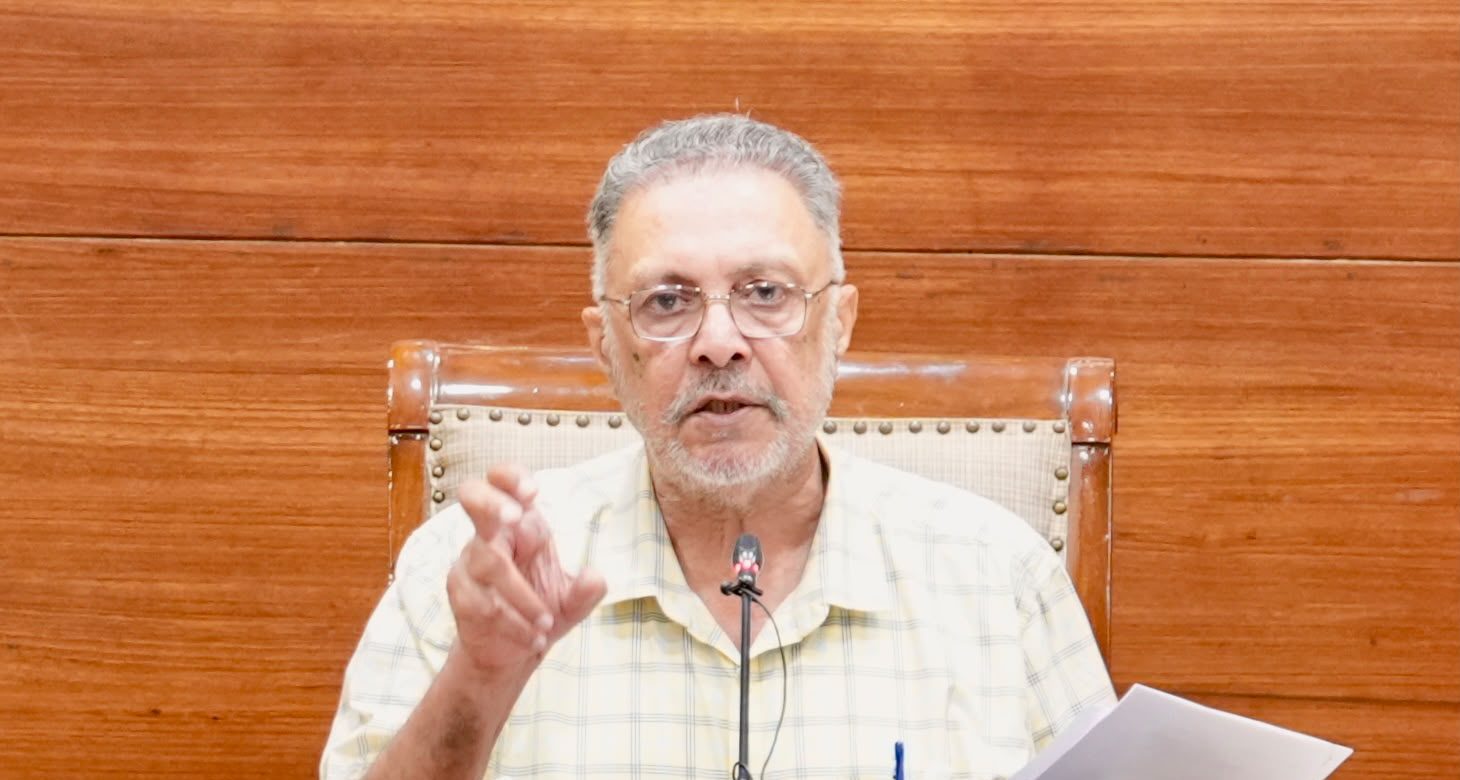
Punjab Health and Family Welfare Minister Dr. Balbir Singh said the figures should serve as a warning for every household. “These are not people who have reached the twilight of life. They are the state’s workforce, the people raising families, running businesses, paying loans and supporting ageing parents. When diabetes pushes this age group into hospital, the impact stretches far beyond the patient,” he added.
He urged people not to ignore early warning signs and to undergo regular blood sugar screening. “Preventing diabetes is far easier than treating its consequences. Do not wait for complications to occur. Hospitals can save lives, but they cannot give people back the years lost to neglect,” Minister Dr. Balbir Singh said.
While Punjab’s Mukh Mantri Sehat Yojana continues to provide financial protection by covering treatment costs, health experts emphasise that prevention remains the most effective strategy. Timely diagnosis, regular screening, healthy eating, physical activity, maintaining a healthy weight and avoiding tobacco and harmful alcohol use can significantly reduce the risk of diabetes and its potentially disabling complications.
What the Diabetes Data Reveals:
•Adults aged 36–60 years accounted for thehighest number of diabetes-related cases(1,123), followed by senior citizens above 60 years (809), youth aged 17–35 years (243) and children aged 0–16 years (125).
•Punjab’s Mukh Mantri Sehat Yojana has covered 2,300 diabetes-related treatment episodes worth nearly ₹6.5 crore (₹6,49,99,151.6) as on 21 July 2026.
•Diabetic ketoacidosis was the most frequently claimed treatment package, indicating many patients reached hospitals with dangerously uncontrolled diabetes.
•Diabetic foot emerged as the second major complication, reflecting long-term nerve and blood vessel damage.
•Many patients required advanced care, including dialysis, ICU treatment, blood transfusions, CT/MRI scans and diabetic foot surgery.
•Early screening, healthy lifestyles and timely management remain the most effective ways to prevent serious diabetes complications.